Introduction: The Magic of Texture in Interior Design
When it comes to raising the cultured enchantment of your home, one of the most mesmerizing systems is layering textures. This apply not simplest adds intensity and size however additionally creates a tactile sense that engages the senses. In this text, we delve into The Art of Layering Textures in Your Home with Guidance from The Flooring Studio, gaining knowledge of easy methods to harmonize more than a few ingredients and facets to create a striking living area.
As you navigate via this support, you’ll observe proficient hints from The Flooring Studio on selecting the suitable textures for the various areas of your property, making sure that both room reflects your amazing taste while last cohesive. Whether you’re a professional designer or a newbie venturing into the sector of domestic decor, this sizeable aid will assistance you master the art of texture layering.
Table of Contents
Understanding Texture in Interior Design- 1.1 What is Texture? 1.2 Why is Texture Important?
- 2.1 Natural vs. Synthetic 2.2 Hard vs. Soft Textures
- three.1 Choosing Complementary Colors 3.2 Creating Contrast
- four.1 Living Room: A Cozy Retreat 4.2 Bedroom: A Sanctuary of Comfort 4.3 Kitchen: Functional Elegance four.four Bathroom: Spa-like Serenity
- 5.1 Selecting the Right Flooring Materials 5.2 Mixing Patterns and Textures
- 6.1 Pillows and Throws 6.2 Rugs and Carpets 6.3 Wall Art and Decor
- 7.1 Spring/Summer Refresh 7.2 Fall/Winter Warmth
Common Mistakes to Avoid
FAQs
Conclusion
Understanding Texture in Interior Design
What is Texture?
Texture refers to the surface exceptional of an object—the way it feels whilst touched or how it seems to be visually in phrases of roughness, smoothness, softness, or hardness.
Why is Texture Important?
Texture performs an very important role in developing visible pastime inside of a house; it's going to transform a flat design into an inviting and dynamic environment.
Types of Textures
Natural vs. Synthetic
Natural textures https://judahsifu411.image-perth.org/flooring-innovations-what-s-next-in-home-design-according-to-the-flooring-studio-1 consist of supplies like picket, stone, and textiles derived from vegetation or animals, whereas artificial textures are synthetic constituents like vinyl or polyester.
Hard vs. Soft Textures
Understanding the change among demanding textures (like metallic or glass) and gentle textures (like textile or wool) is the most important while layering resources adequately.

The Role of Color in Layering Textures
Choosing Complementary Colors
When layering textures, it be obligatory to make a selection colorations that complement both other to keep unity all through your own home’s design.
Creating Contrast
Contrast should be would becould very well be executed by way of pairing gentle and darkish colorings along various textures; this system adds intensity and intrigue to any space.
Layering Techniques for Different Spaces
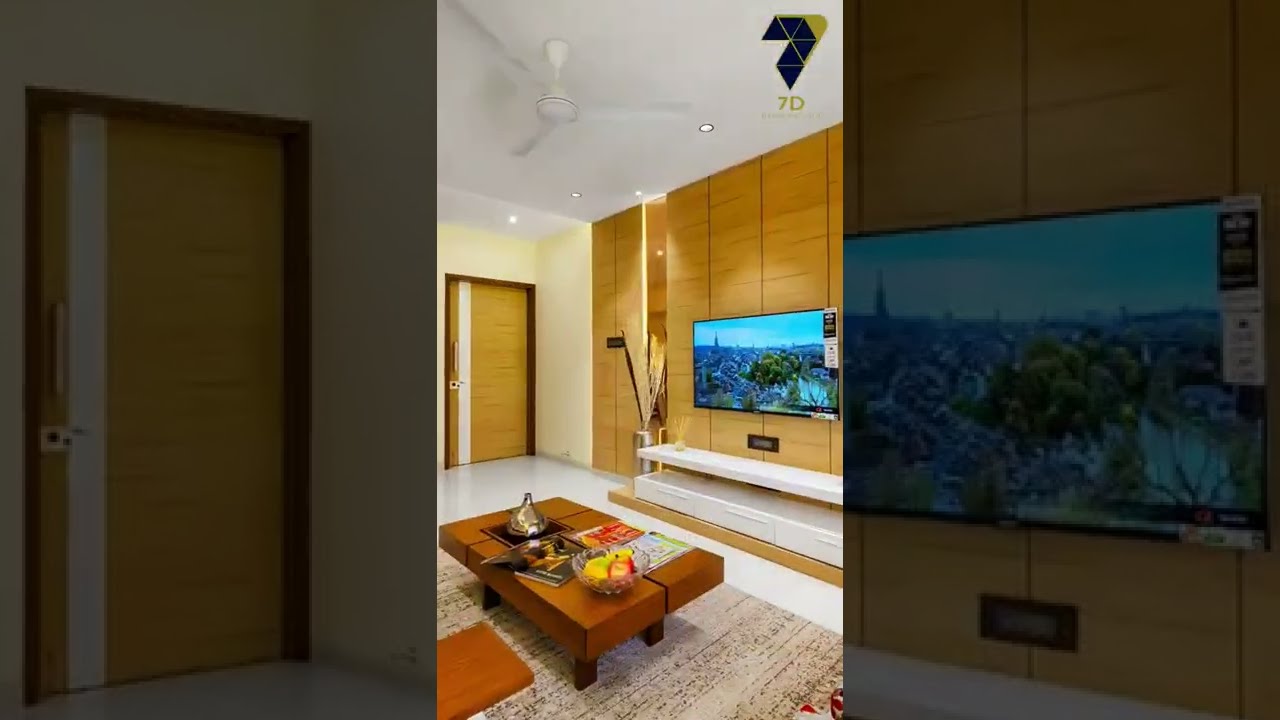
Living Room: A Cozy Retreat
In your living room, evaluate by using plush materials along glossy leather for furnishings portions, layered with ornamental cushions that invite leisure.
Bedroom: A Sanctuary of Comfort
Your bed room may want to exude tranquility; imagine tender linens paired with textured throws over a luxurious rug underneath your feet as you step up and doing every single morning.
Kitchen: Functional Elegance
In kitchens, incorporating textural supplies like a hard-hewn wooden dining table observed by gentle ceramic dishware can create an inviting setting without sacrificing performance.
Bathroom: Spa-like Serenity
For bogs, reflect onconsideration on layering tender tiles with plush towels and textured wall art to awaken a experience of calm corresponding to top-conclusion spa reports.
Incorporating Flooring into Your Design
Selecting the Right Flooring Materials
The variety of floor you decide greatly affects texture layering; hardwood affords heat at the same time tiles can present sleek modernity.
Mixing Patterns and Textures
Experiment with numerous patterns—which include herringbone or chevron—in your floors options to add visible passion even as keeping functional harmony for the duration of your spaces.
Accessories That Enhance Texture
Pillows and Throws
No residing area is comprehensive with no rigorously certain pillows and throws; these units no longer basically upload comfort yet additionally embellish textural comparison within your layout scheme.
Rugs and Carpets
Area rugs can anchor a room's layout at the same time adding layers—prefer daring patterns or designated weaves that draw focus underfoot!
Wall Art and Decor
Artwork can introduce new textures by combined mediums; explore portions constructed from metal, wood, fabrics, and even average constituents like driftwood for added depth!
Seasonal Layering Strategies
Spring/Summer Refresh
Lighten up! Swap heavier textiles for ethereal fabric—the warmth encourages breezy designs offering floral patterns blending seamlessly with nature-stimulated colours.
Fall/Winter Warmth
Embrace secure vibes by means of introducing thicker textiles—assume wool blankets draped over chairs paired with hot colour palettes reflecting autumn leaves!
Common Mistakes to Avoid
When layering textures in your place decor experience, avert overwhelming areas by way of being conscious approximately balance—too many competing styles can bring about chaos other than team spirit!
FAQs
Q1: What are some clean methods to layer textures at dwelling?
A1: Start small! Use pillows on sofas, combination components like velvet curtains in opposition t silk blinds & include rugs over hardwood flooring for fast influence!
Q2: How do I make a selection shades that supplement my textured layers?
A2: Stick inside of a shade spouse and children however differ tones—to illustrate combining faded beige & deeper taupe creates diffused evaluation at the same time as holding harmony!
Q3: Can I use distinctive patterns together with other textures?
A3: Absolutely! Just be certain that there's commonality among colorings used so they harmonize beautifully even with multiple styles/textiles being employed!
Q4: Should I cognizance more on tender or laborious textures when designing my area?
A4: It depends on desired ambience! Soft textures create coziness whereas onerous ones lend sophistication; combination either the place greatest!
Q5: How broadly speaking have to I exchange layers based on seasons?
A5: Typically each and every six months! Changing textiles seasonally assists in keeping environments sparkling & attractive with out necessitating significant overhauls every time!
Q6: What’s the superb way to contain floors texture into my typical design?
A6: Consider both color & textile alternatives—picket floors pair beautifully with smooth rugs at the same time tiles decorate trendy aesthetics when layered thoughtfully!
Conclusion
Mastering The Art of Layering Textures in Your Home with Guidance from The Flooring Studio facilitates you to specific individuality even though crafting spaces full of warmth and man or woman! By due to the fact that a lot of components—from floor innovations selected at The Flooring Studio down by means of components brought later—you can still create an inviting retreat tailored perfectly around exclusive flavor possibilities! So go beforehand—dare yourself to test boldly as you achieve wonderful textured layers for the time of every nook within your valuable home!