Introduction: The Magic of Texture in Interior Design
When it involves raising the classy enchantment of your own home, one of the vital most enchanting programs is layering textures. This observe not in simple terms adds depth and size yet also creates a tactile adventure that engages the senses. In this text, we delve into The Art of Layering Textures in Your Home with Guidance from The Flooring Studio, finding how one can harmonize several parts and facets to create a surprising residing house.
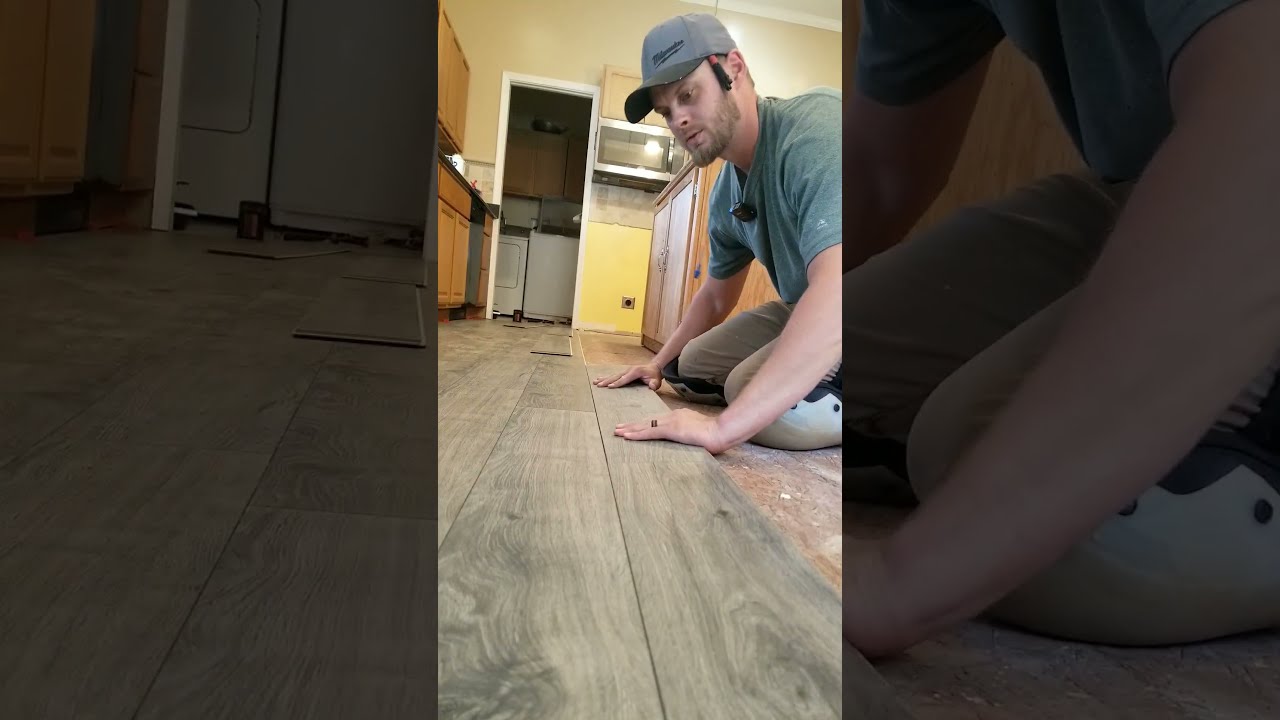
As you navigate with the aid of this manual, you’ll observe trained information from The Flooring Studio on picking the excellent textures for exceptional locations of your own home, guaranteeing that each and every room reflects your distinct genre even as final cohesive. Whether you’re a professional clothier or a amateur venturing into the realm of house decor, this large guide will lend a hand you grasp the art of texture layering.
Table of Contents
Understanding Texture in Interior Design- 1.1 What is Texture? 1.2 Why is Texture Important?
- 2.1 Natural vs. Synthetic 2.2 Hard vs. Soft Textures
- three.1 Choosing Complementary Colors 3.2 Creating Contrast
- four.1 Living Room: A Cozy Retreat 4.2 Bedroom: A Sanctuary of Comfort four.three Kitchen: Functional Elegance 4.4 Bathroom: Spa-like Serenity
- five.1 Selecting the Right Flooring Materials five.2 Mixing Patterns and Textures
- 6.1 Pillows and Throws 6.2 Rugs and Carpets 6.three Wall Art and Decor
- 7.1 Spring/Summer Refresh 7.2 Fall/Winter Warmth
Common Mistakes to Avoid
FAQs
Conclusion
Understanding Texture in Interior Design
What is Texture?
Texture refers to the floor quality of an item—how it feels whilst touched or the way it seems visually in phrases of roughness, smoothness, softness, or hardness.
Why is Texture Important?
Texture plays an predominant function in growing visual passion within a area; it will turn out to be a flat layout into an inviting and dynamic surroundings.
Types of Textures
Natural vs. Synthetic
Natural textures embrace substances like wooden, stone, and textiles derived from crops or animals, while synthetic textures are manufactured supplies like vinyl or polyester.
Hard vs. Soft Textures
Understanding the change among difficult textures (like metallic or glass) and cushy textures (like fabrics or wool) is important whilst layering ingredients effectively.
The Role of Color in Layering Textures
Choosing Complementary Colors
When layering textures, it truly is relevant to prefer colors that supplement each one other to guard team spirit in the course of your house’s design.
Creating Contrast
Contrast would be accomplished by way of pairing light and darkish colorings alongside varying textures; this manner provides intensity and intrigue to any house.
Layering Techniques for Different Spaces
Living Room: A Cozy Retreat
In your living room, ponder due to plush fabrics alongside sleek leather for furnishings pieces, layered with ornamental cushions that https://open.substack.com/pub/raseisfkgy/p/transform-your-home-stunning-flooring?r=5so34b&utm_campaign=post&utm_medium=web&showWelcomeOnShare=true invite relaxation.
Bedroom: A Sanctuary of Comfort
Your bedroom must exude tranquility; suppose cushy linens paired with textured throws over a luxurious rug under your feet as you step out of bed each and every morning.
Kitchen: Functional Elegance
In kitchens, incorporating textural facets like a rough-hewn picket dining desk accompanied with the aid of easy ceramic dishware can create an inviting ambience with out sacrificing performance.
Bathroom: Spa-like Serenity
For lavatories, think about layering comfortable tiles with plush towels and textured wall paintings to evoke a feel of calm comparable to high-conclusion spa stories.
Incorporating Flooring into Your Design
Selecting the Right Flooring Materials
The type of floor you favor radically affects texture layering; hardwood offers heat even though tiles can provide sleek modernity.
Mixing Patterns and Textures
Experiment with different styles—such as herringbone or chevron—in your flooring options to feature visual interest even as maintaining functional harmony for the duration of your areas.
Accessories That Enhance Texture
Pillows and Throws
No residing house is full with no moderately chose pillows and throws; those items now not simply upload consolation but additionally give a boost to textural comparison inside your design scheme.
Rugs and Carpets
Area rugs can anchor a room's design whereas adding layers—prefer daring styles or different weaves that draw concentration underfoot!
Wall Art and Decor
Artwork can introduce new textures due to mixed mediums; explore pieces made from steel, picket, fabric, or maybe normal materials like driftwood for additional intensity!
Seasonal Layering Strategies
Spring/Summer Refresh
Lighten up! Swap heavier textiles for airy fabric—the warmness encourages breezy designs proposing floral styles blending seamlessly with nature-influenced hues.
Fall/Winter Warmth
Embrace comfortable vibes by introducing thicker textiles—consider wool blankets draped over chairs paired with warm color palettes reflecting autumn leaves!
Common Mistakes to Avoid
When layering textures in your place decor travel, preclude overwhelming spaces with the aid of being aware about balance—too many competing patterns can bring about chaos instead of solidarity!
FAQs
Q1: What are a few effortless methods to layer textures at abode?
A1: Start small! Use pillows on sofas, blend material like velvet curtains opposed to silk blinds & contain rugs over hardwood flooring for fast result!
Q2: How do I desire colours that complement my textured layers?
A2: Stick within a colour circle of relatives however vary tones—let's say combining light beige & deeper taupe creates refined comparison whereas retaining team spirit!
Q3: Can I use multiple patterns including totally different textures?
A3: Absolutely! Just guarantee there may be commonality amongst hues used so that they harmonize superbly inspite of numerous patterns/textiles being hired!
Q4: Should I concentrate extra on delicate or not easy textures when designing my area?
A4: It relies upon on desired ecosystem! Soft textures create coziness whereas exhausting ones lend sophistication; mixture either the place desirable!
Q5: How most likely must always I difference layers elegant on seasons?
A5: Typically every six months! Changing textiles seasonally assists in keeping environments brand new & enticing with no necessitating noticeable overhauls at any time when!
Q6: What’s the most effective method to contain ground texture into my basic design?
A6: Consider the two coloration & fabric alternatives—picket floors pair beautifully with comfortable rugs even though tiles increase brand new aesthetics when layered thoughtfully!
Conclusion
Mastering The Art of Layering Textures in Your Home with Guidance from The Flooring Studio lets in you to specific individuality whilst crafting spaces choked with heat and person! By concerned about many different points—from floor techniques specific at The Flooring Studio down via accessories further later—possible create an inviting retreat tailor-made flawlessly round non-public style alternatives! So cross in advance—dare yourself to scan boldly as you gain exquisite textured layers all over each corner within your valuable home!